Discovering the Realities: How the Rodent Smoke Test Improves Parasite Control Efforts
The Rodent Smoke Test is an ingenious technique in parasite control. It utilizes harmless smoke to reveal covert entrance factors and nesting websites of rats. This approach offers a graph of infestations that conventional assessments might forget. As pest management strategies develop, comprehending the ramifications of this method ends up being necessary. What details benefits does the Rat Smoke Examination supply over traditional techniques? Exploring this may clarify its growing importance in efficient insect control.

What Is the Rat Smoke Test?
Different methods exist for spotting rodent infestations, the Rat Smoke Test stands out as a particularly efficient technique. This cutting-edge technique includes introducing a safe smoke into a building's framework to trace potential access points and nests. By observing the activity of the smoke, insect control professionals can recognize covert pathways rats might make use of to invade areas.
The Rat Smoke Examination is particularly beneficial since it offers instant visual responses, permitting quick assessment and activity. It is non-toxic, making it risk-free for both pet dogs and people, while effectively highlighting issue locations that may call for further examination or treatment. This technique is especially useful for big or intricate buildings where standard inspection techniques might fall short. Inevitably, the Rodent Smoke Test offers as a significant tool in the collection of pest control methods, boosting the effectiveness of rodent administration initiatives.
How Does the Rodent Smoke Examination Work?
The Rat Smoke Examination operates by introducing a safe smoke into the building's structure, allowing pest control experts to picture the movement of the smoke as it takes a trip via potential entrance factors and surprise pathways - Rodent Smoke Test. This method starts with sealing the structure to contain the smoke, making sure exact outcomes. Once the smoke is released, professionals observe its dispersal patterns, which disclose locations where rats might be entering or nesting
The process likewise aids identify spaces and fractures that are not noticeable to the naked eye. By monitoring the smoke's behavior, insect control professionals can identify susceptabilities in the framework and figure out one of the most efficient methods for rodent exemption and control. This method not just improves the understanding of an invasion's source yet additionally help in developing an all-inclusive insect administration plan tailored to the specific needs of the structure.
Benefits of Utilizing the Rodent Smoke Test
The rodent smoke examination supplies substantial benefits in insect control by supplying accurate discovery approaches for identifying rodent entry factors - Rodent Smoke Test. This precision permits improved therapy techniques tailored to details problems. Because of this, insect control initiatives come to be more reliable and efficient, lessening the risk of future rodent troubles
Exact Discovery Techniques
How properly can pest control experts recognize concealed rodent invasions? The rodent smoke test uses a very precise detection approach that improves conventional pest control methods. By introducing a safe smoke into possible entry factors, experts can observe the smoke's motion, showing pathways made use of by rodents. This technique reveals concealed nests and burrows that might otherwise go unnoticed. The visual confirmation given by the smoke enables technicians to identify locations requiring prompt focus, improving the performance of evaluations. In addition, the rodent smoke test lessens the demand for invasive actions, making sure a more gentle approach to pest control. Generally, this strategy supplies a trusted solution for identifying rodent activity, eventually bring about more efficient pest management methods.
Boosted Therapy Approaches
While several parasite control techniques depend on uncertainty and basic presumptions, the rodent smoke examination improves therapy methods by supplying accurate insights into rodent behavior and access points. This innovative approach allows pest control professionals to identify hidden paths and nesting locations with precision, facilitating targeted treatments. By visualizing smoke patterns, technicians can determine susceptabilities in frameworks, making sure an extensive response to problems. In addition, the rodent smoke test reduces the need for broad-spectrum chemicals, lowering chemical direct exposure and promoting ecological security. Ultimately, this method brings about a lot more efficient parasite their website monitoring, as it tailors treatments to certain problem locations, leading to quicker resolutions and long-term avoidance of rodent issues. Enhanced therapy approaches add to improved total insect control efficacy.
Recognizing Entry Information With Smoke
Identifying entry factors for rodents can be properly attained through the usage of smoke testing, an approach that permits pest control specialists to imagine paths that pests may manipulate. During this procedure, a non-toxic smoke is launched right into the environment, disclosing any type of spaces, cracks, or openings where rodents might access. The smoke permits specialists to map the flow of air, highlighting possible vulnerabilities in frameworks.
This technique is especially advantageous in industrial structures, where small entrance factors can bring about substantial problems. By observing the smoke's movement, bug control specialists can figure out which locations require immediate focus and removal. Additionally, smoke testing can discover surprise gaps and cavities that might not be noticeable throughout a basic assessment. Because of this, pest control efforts come to be more targeted, effective, and effective, ultimately resulting in a much more complete strategy to rodent monitoring.
Contrasting Traditional Methods to the Smoke Examination
Typical pest discovery approaches usually battle with limitations, such as relying upon visual evaluations and traps that may miss concealed rodent task. In comparison, the smoke test provides distinct benefits by exposing hidden entry points and providing an extra thorough analysis of rodent pathways. This comparison highlights the effectiveness of innovative strategies in boosting bug control techniques.
Conventional Detection Limitations
Traditional pest discovery techniques have actually long been the requirement in taking care of rodent invasions, they frequently fall brief in efficiency and precision. Typical methods, such as catches and bait terminals, rely heavily on visual assessments and indirect signs of rodent task. These methods can be taxing and may miss concealed infestations. In addition, they typically provide incomplete data, bring about inefficient targeting of trouble areas. Dependence on auditory ideas or droppings can also bring about misdiagnosis, as rats may inhabit locations without leaving apparent indicators. These approaches may not account for ecological factors that influence rodent habits. Pest control professionals deal with obstacles in properly evaluating the degree of invasions and figuring out suitable treatments.
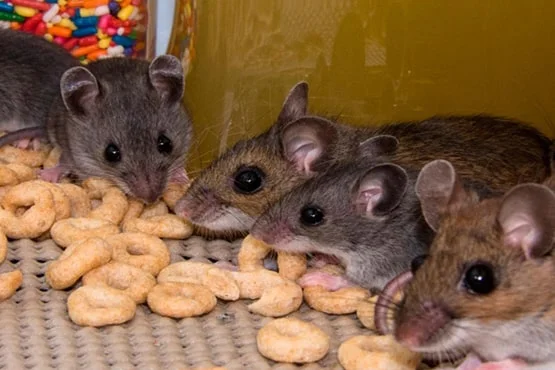
Smoke Examination Benefits
While standard parasite discovery methods have their qualities, the smoke examination supplies distinctive benefits that boost the efficiency of rodent control. Traditional methods often rely on aesthetic assessments and catches, which can miss covert infestations or fail to uncover entry factors. In comparison, the smoke examination utilizes a safe smoke to disclose paths and nesting sites, offering a comprehensive view of rodent task. This technique enables bug control experts to identify susceptabilities in frameworks much more efficiently than traditional strategies. Furthermore, the smoke test can be carried out rapidly and with marginal interruption, making it a useful choice for property owners. Ultimately, the smoke examination's capacity to uncover inaccessible locations placements it as a remarkable tool in the battle against rodent infestations.
Applying the Rodent Smoke Test in Your Pest Control Technique
Carrying Out the Rodent Smoke Examination can considerably boost an insect control approach by supplying clear insights into rodent entry factors and nesting websites. This technique involves introducing a safe smoke into possible entry locations, enabling pest control specialists to observe where the smoke escapes (Rodent Smoke Test). Recognizing these escape paths helps to determine just how rodents access a structure, leading to targeted interventions
Incorporating the smoke examination right into an insect control strategy needs cautious preparation and implementation. Professionals ought to conduct the test throughout times of peak rodent activity for optimum performance. Adhering to the test, thorough assessments need to be carried out to seal determined access factors and get rid of helpful conditions for rodent habitation.
Additionally, integrating the searchings for from the smoke examination with various other pest management methods, such as baiting and trapping, can lead to a more lasting and reliable remedy. This strategic approach guarantees that pest control efforts are both long-lasting and efficient.
Frequently Asked Questions
Is the Rodent Smoke Test Safe for Humans and animals?
The rodent smoke test is generally considered safe for humans and pets when conducted properly. However, individuals need to assure appropriate ventilation and follow safety and security standards to lessen any possible dangers throughout the testing procedure.
Exactly how Long Does the Rat Smoke Examination Take to Full?
The rodent smoke test generally takes in between 30 minutes to an hour to finish. This duration permits extensive assessment, allowing technicians to recognize prospective access points and effectively prepare for insect control actions.
Can the Smoke Test Detect Various Other Pests Besides Rodents?
The smoke examination mainly targets rats, but it can indirectly show the website link presence of various other pests by disclosing entry factors and nesting locations, enabling pest control experts to analyze prospective problems beyond simply rats.
What Occurs if the Smoke Test Reveals Multiple Entry Points?
If the smoke test discloses multiple entrance factors, pest control specialists will analyze each location, seal these openings, and carry out extensive techniques to avoid further problems, guaranteeing a comprehensive technique to pest monitoring.
How Commonly Should the Rat Smoke Examination Be Done?
The rodent smoke examination should be carried out every year as a preventative action, or extra frequently if signs of rodent task are discovered. Routine analyses aid keep effective pest control and guarantee building integrity.
